The Slow Lamp
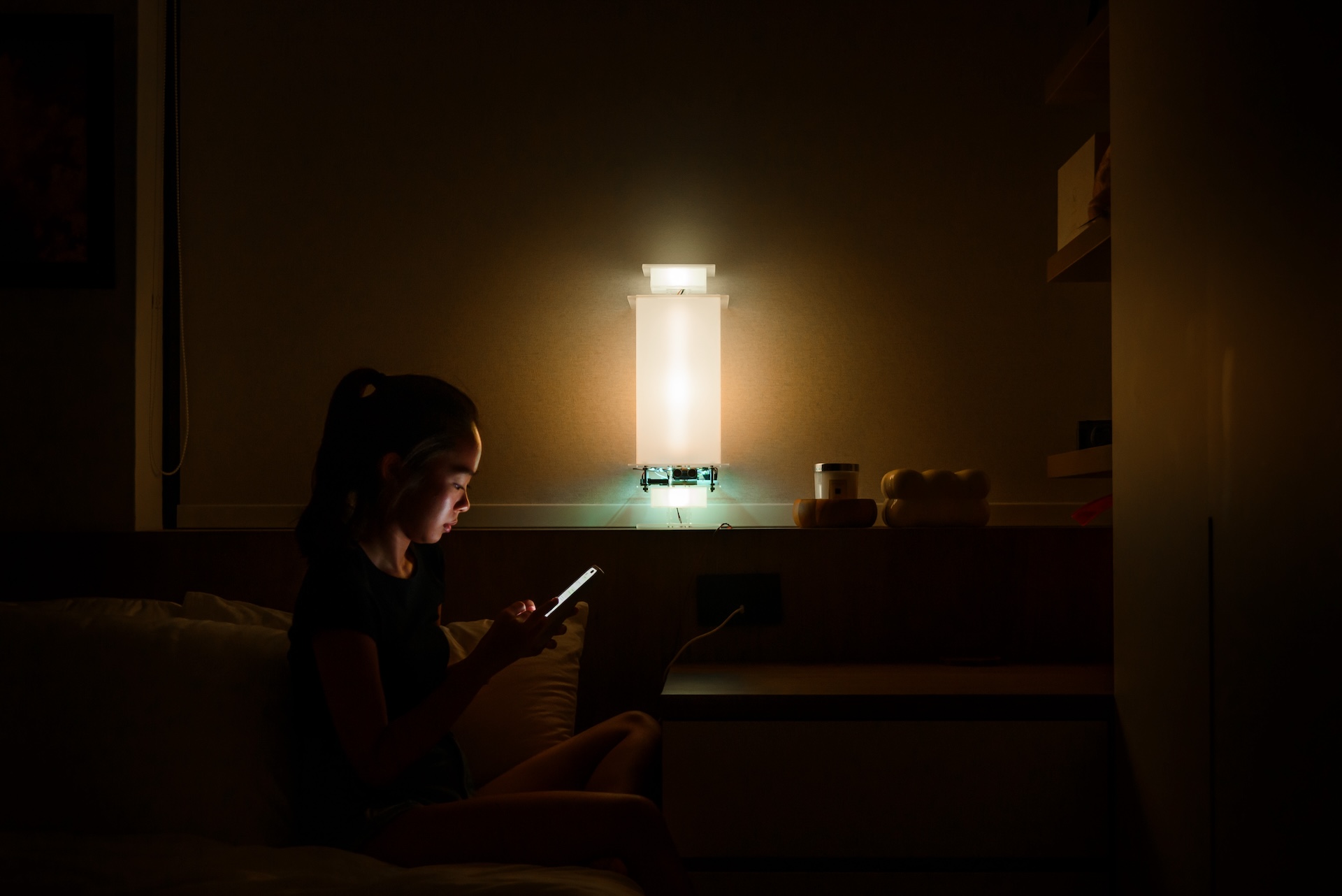
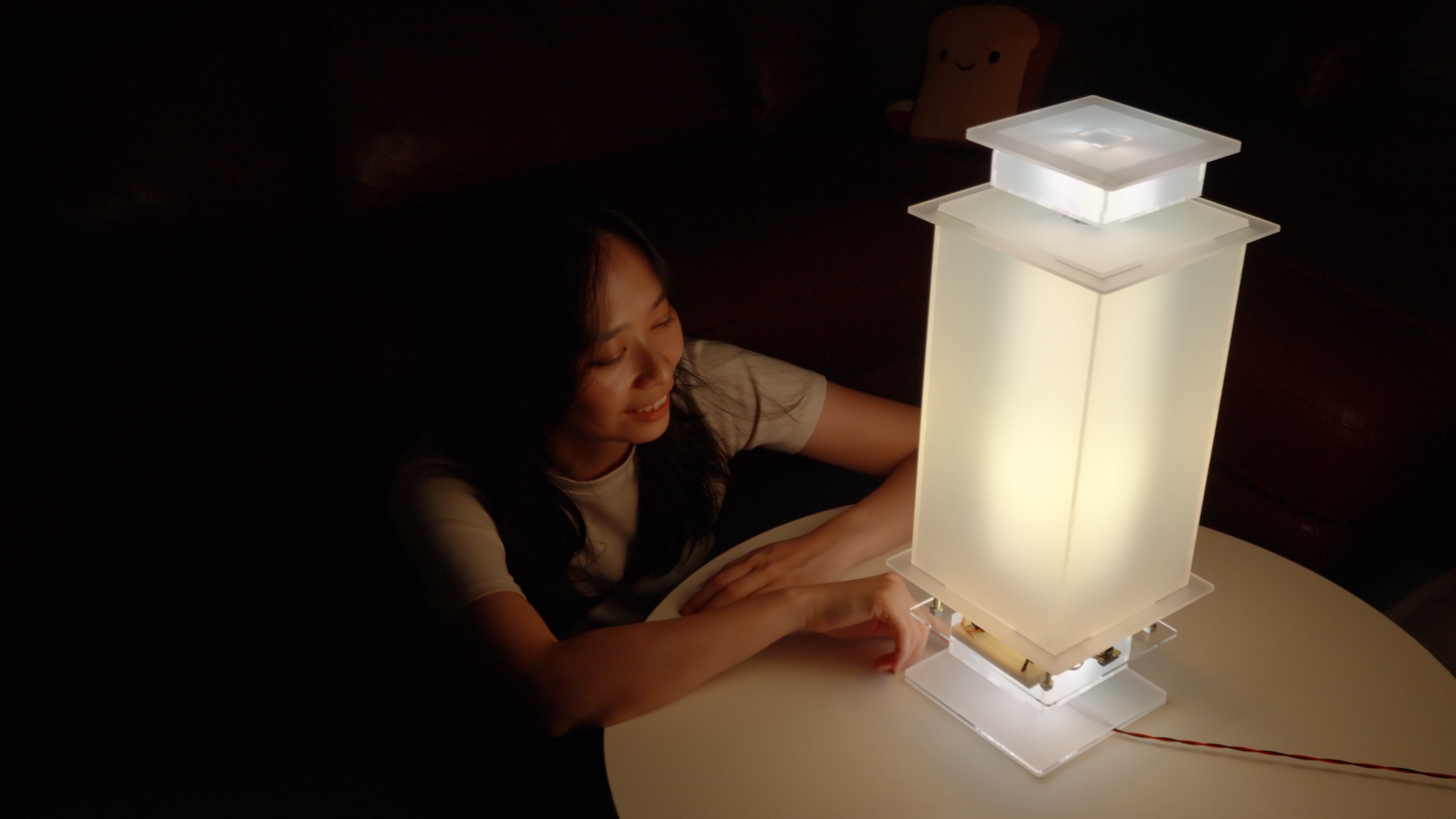
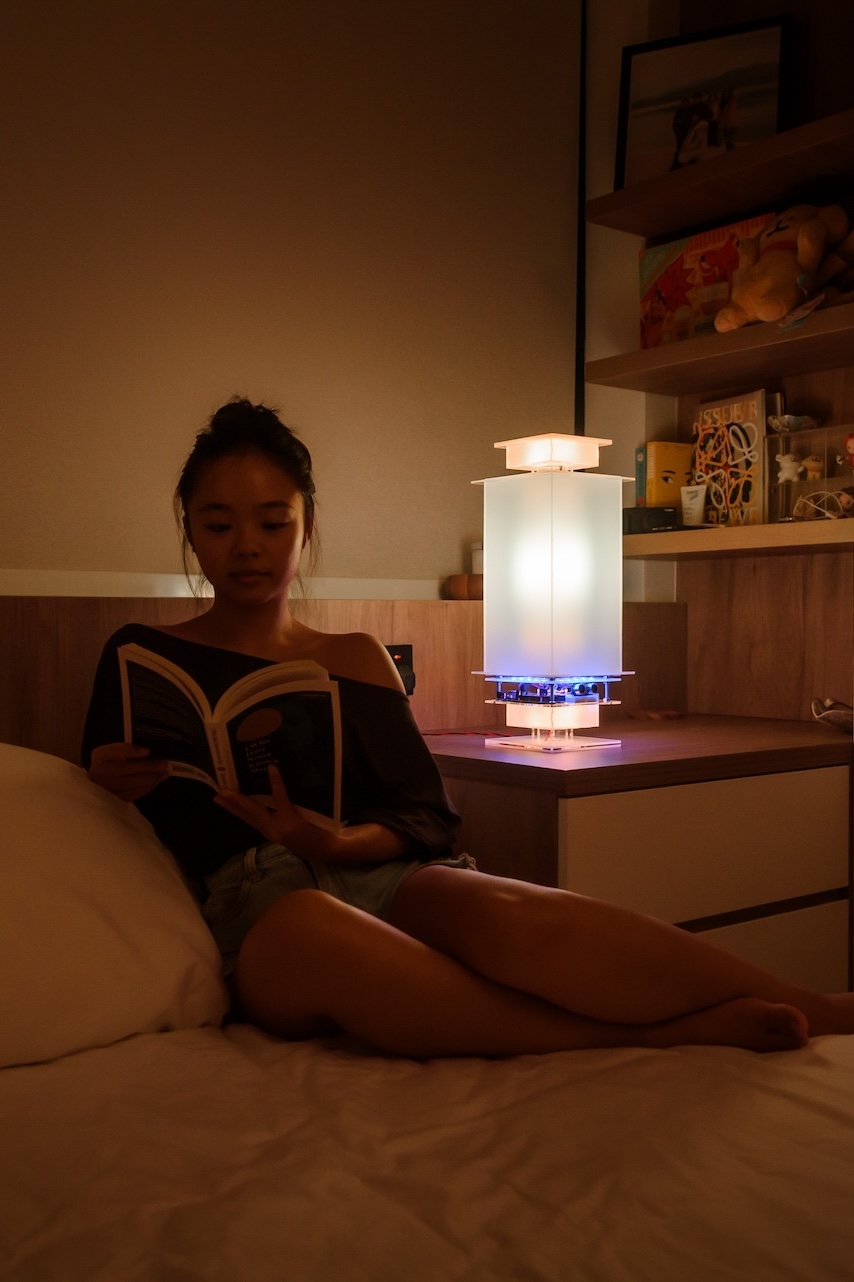
The Slow Lamp does not ask you to do anything. There is no interface to learn, no button to press, no screen to navigate. The mere act of approaching, of choosing to be near the lamp, of pausing long enough to notice it, already begins the work. Interaction itself becomes an act of presence. You do not need to understand the lamp to be changed by it. You only need to be there.
From there unfolds a quiet negotiation between your pace and the lamp’s. It stirs when you move. It settles when you pause. It drifts into its own reverie when you leave. Over time, you begin to notice something about yourself: how rarely you sit still, how quickly you move on, how much you miss in the spaces between.
Stay with the lamp long enough and you might just get the sense that it feels alive. Calming, meditative, like watching it relax in its own space. The lamp makes the pause between moments visible, and in doing so, reminds you that the pause was always there.
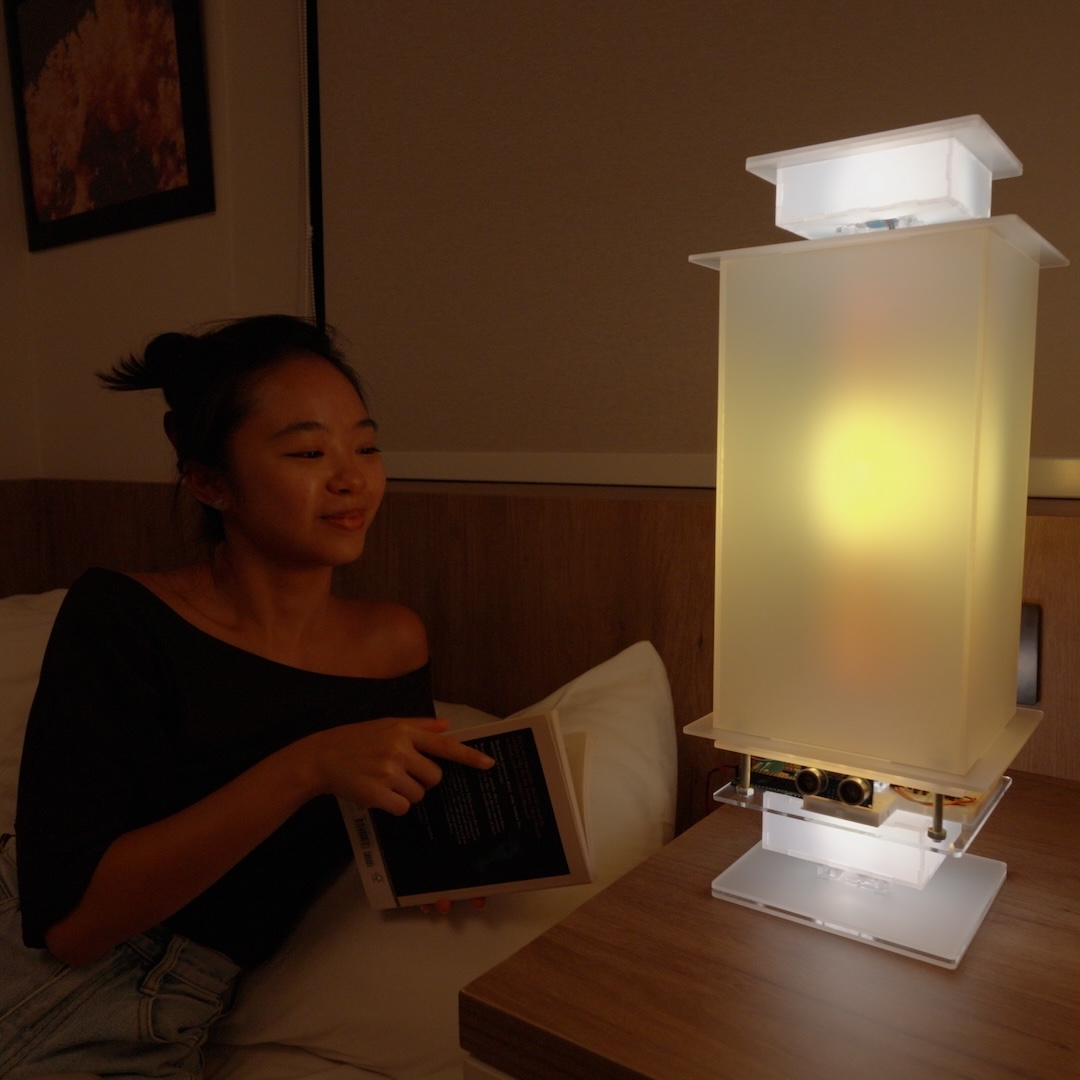
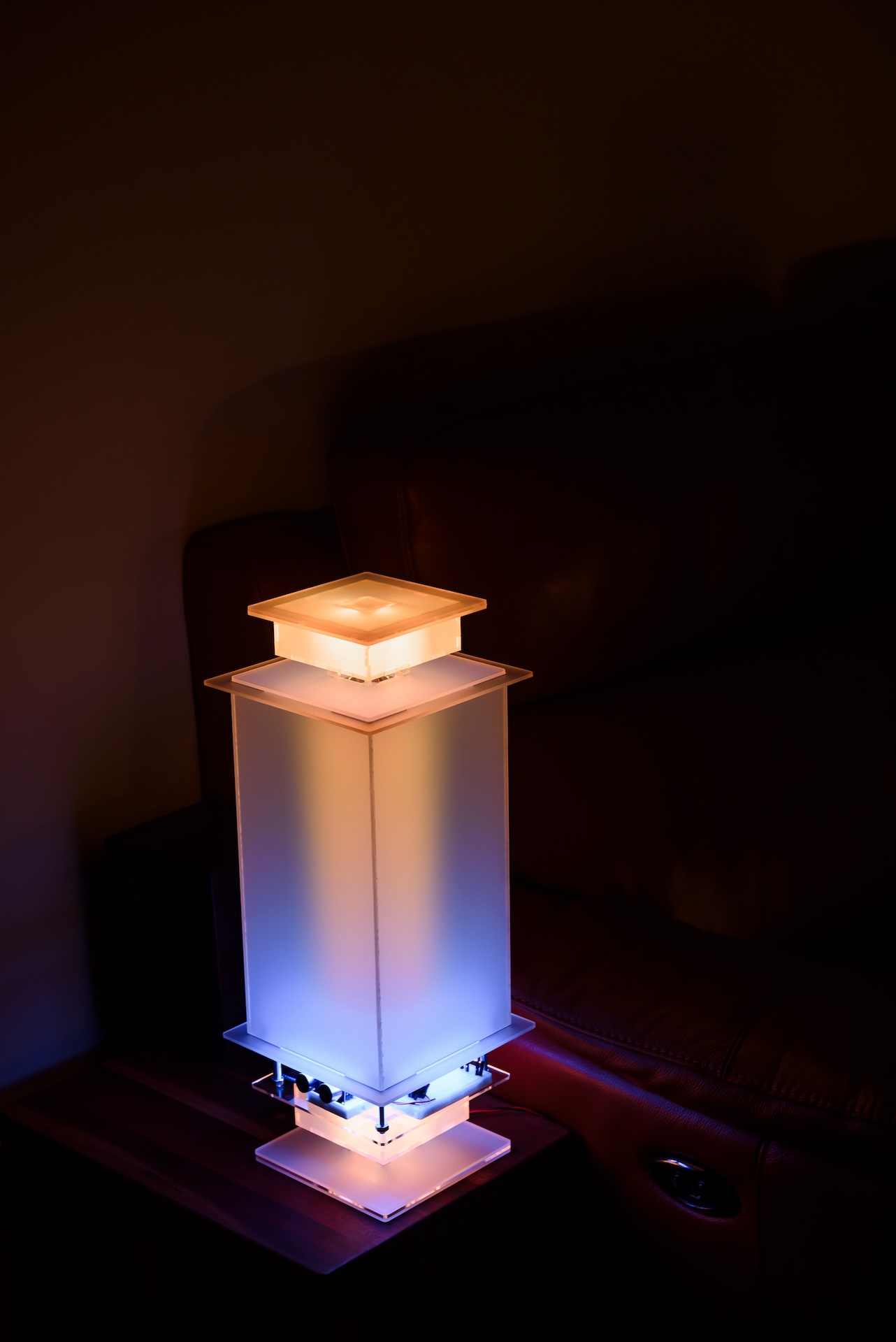
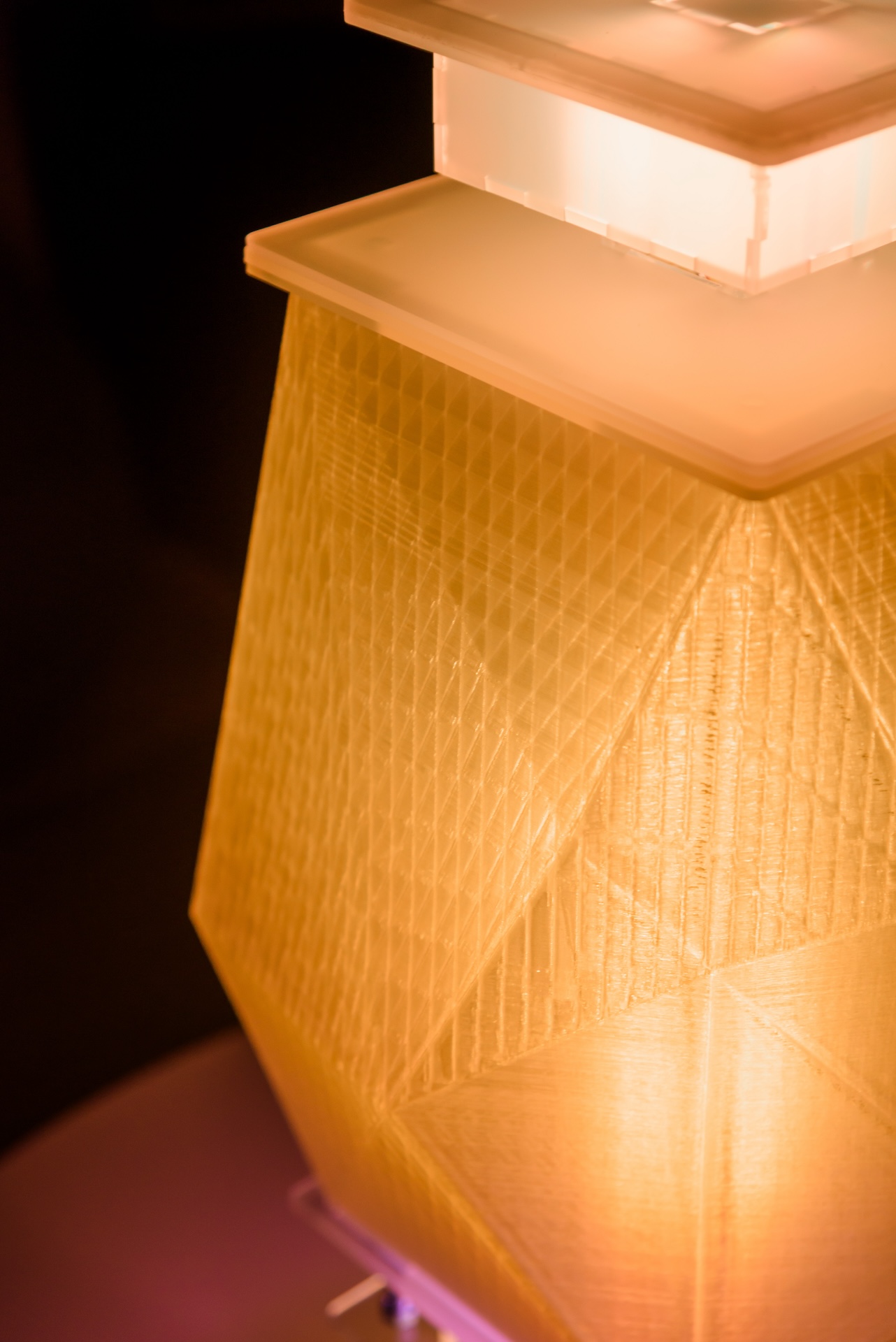
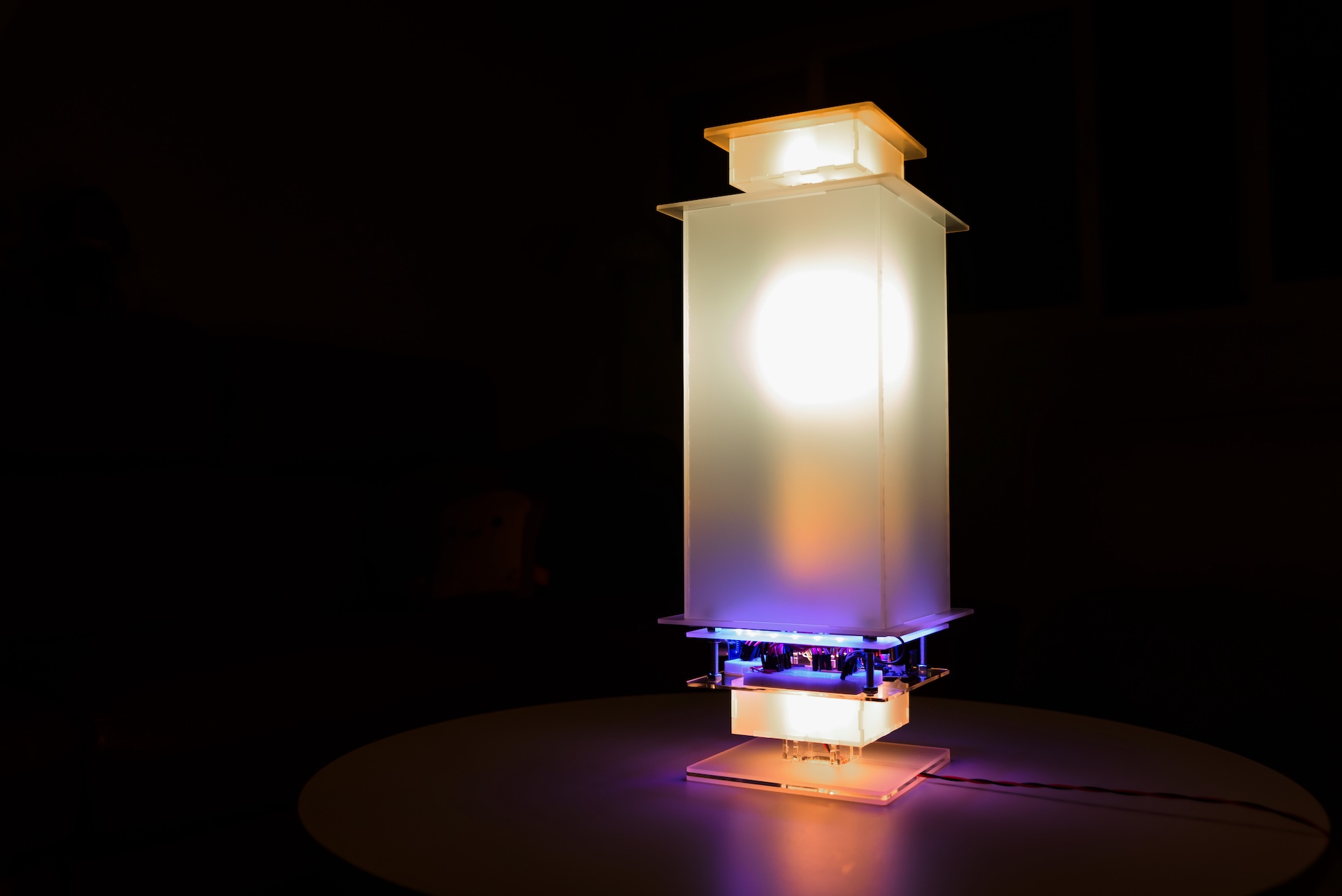
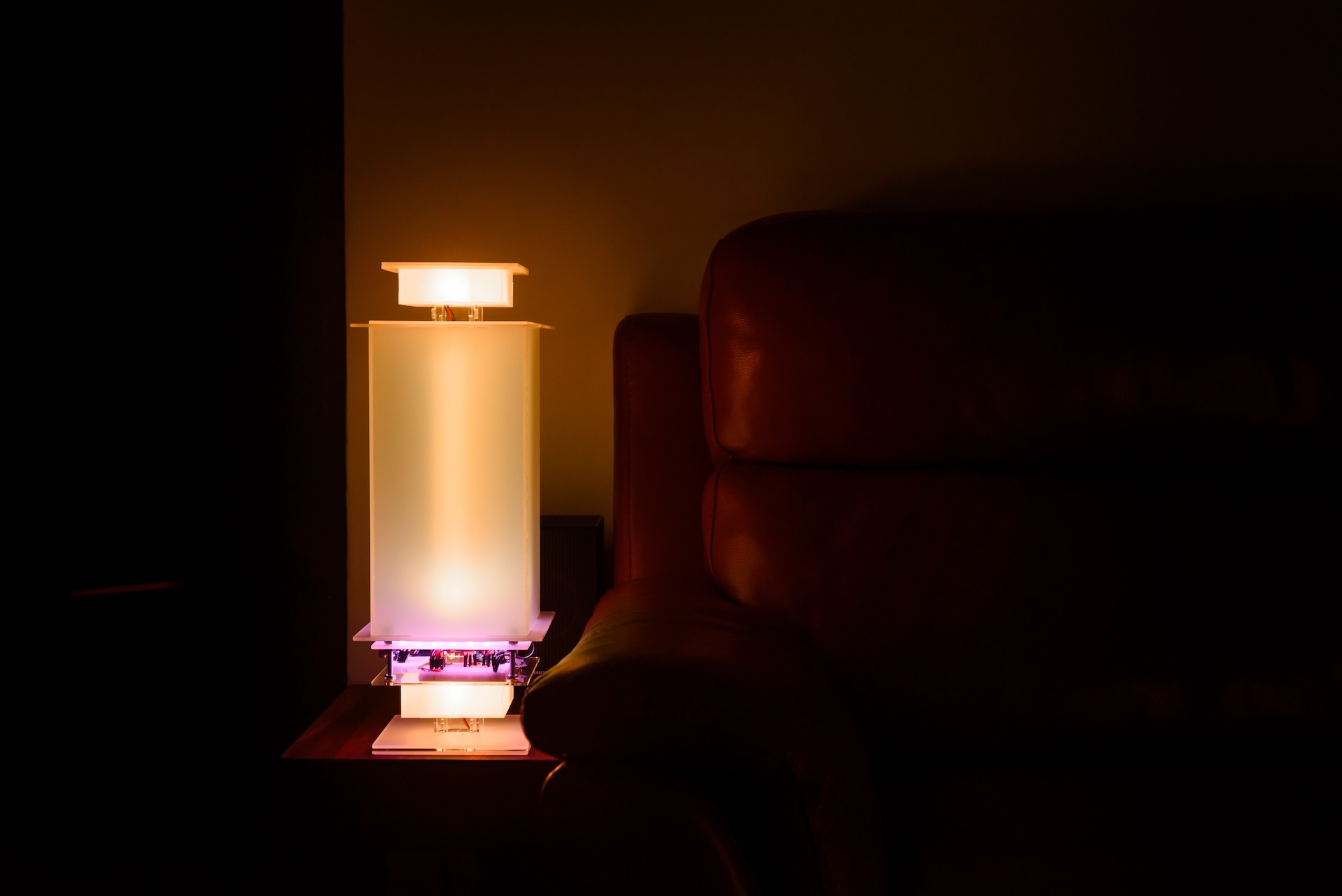
active, muse, and dream, each transitioning gradually and seamlessly into the next. Proximity triggers its active mood, causing the light to stir and wake. The muse mood deepens the warmth, casting an amber glow conducive to comfort and creativity. The dream mood is the lamp’s most contemplative: the orb gains a life of its own, drifting unpredictably, its speed and direction shifting in ways that feel less like code and more like character.
The Slow Lamp is a light object that exists alongside you rather than demanding attention from you. It does not perform a task. It simply lives, quietly, warmly, at its own pace.
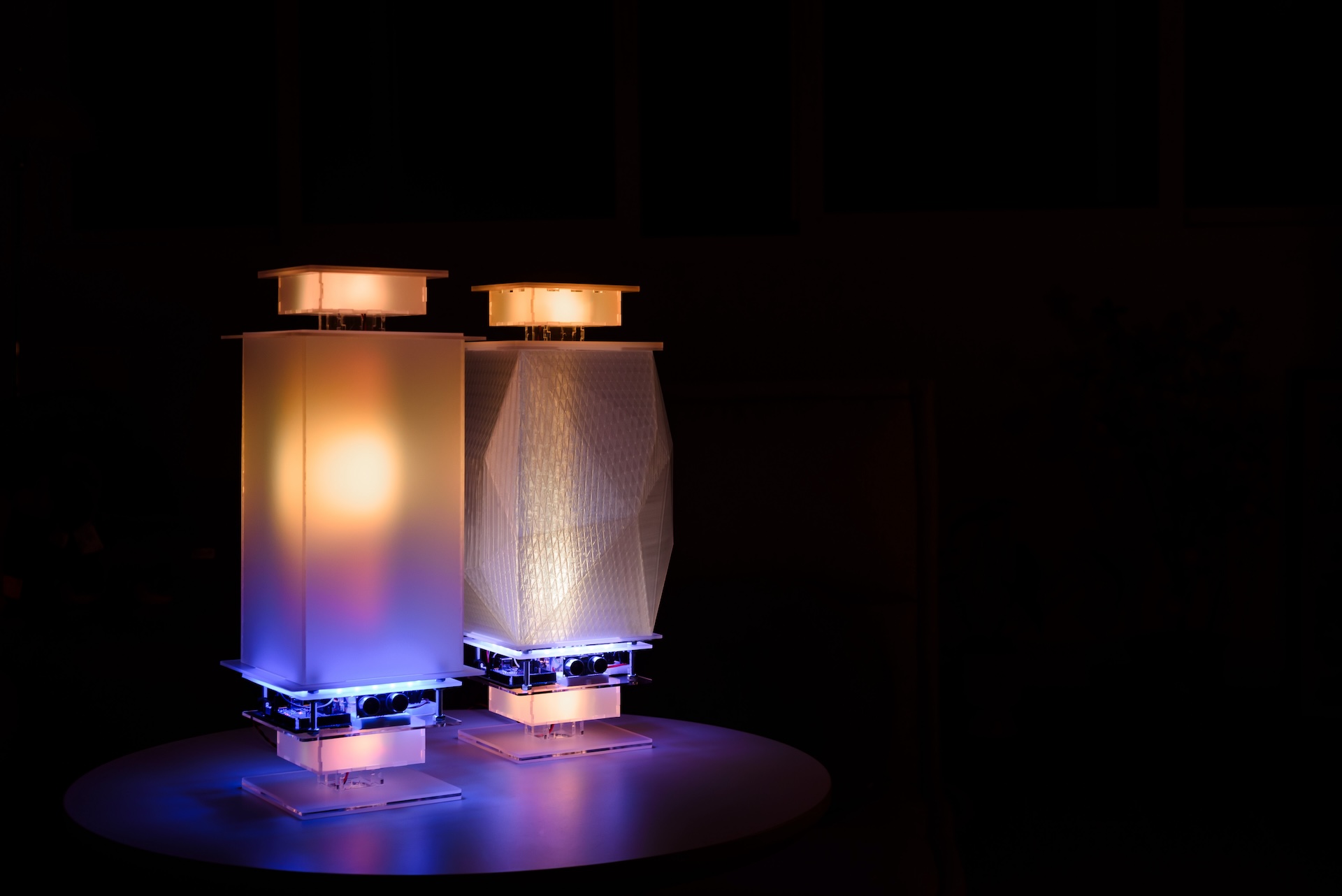
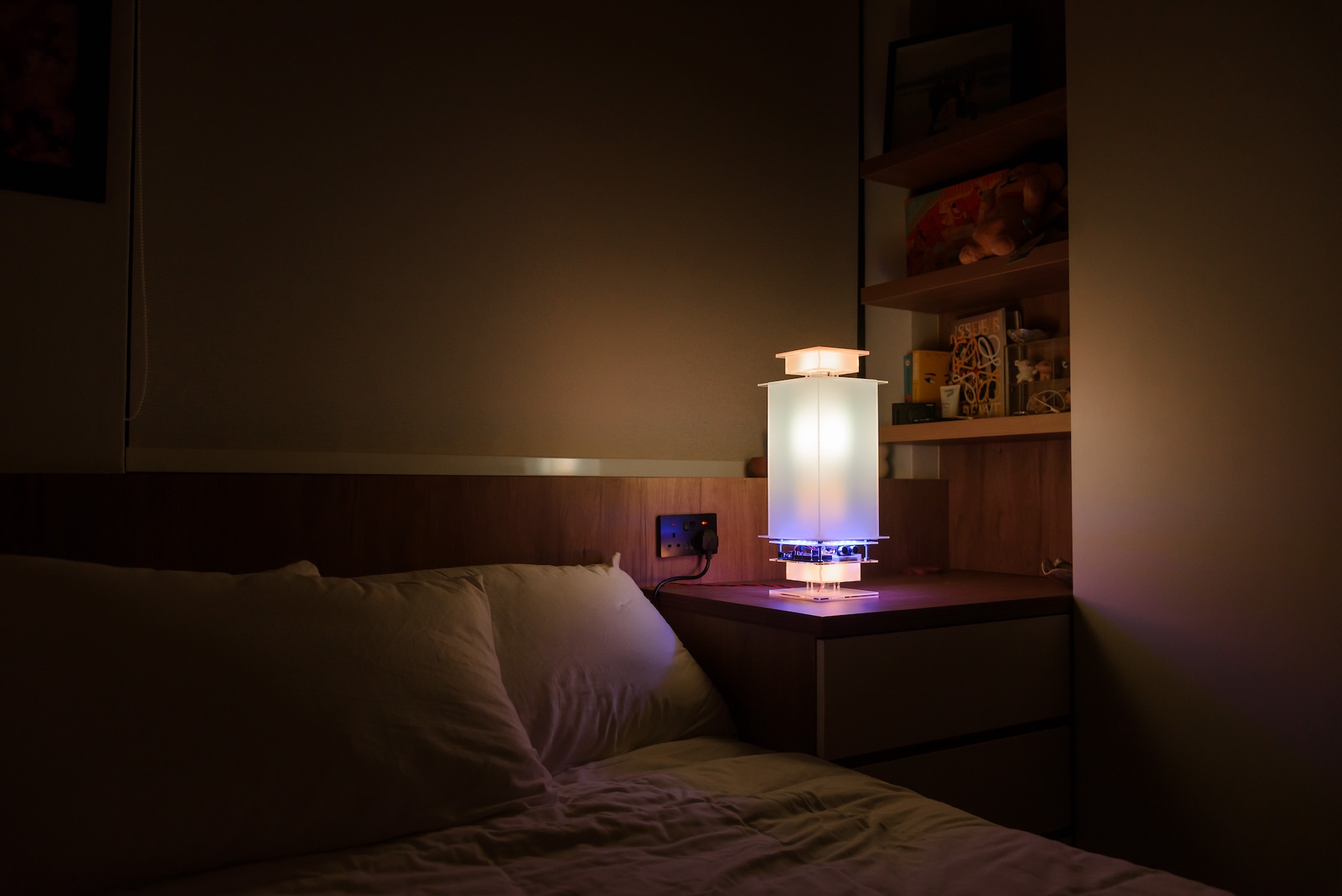
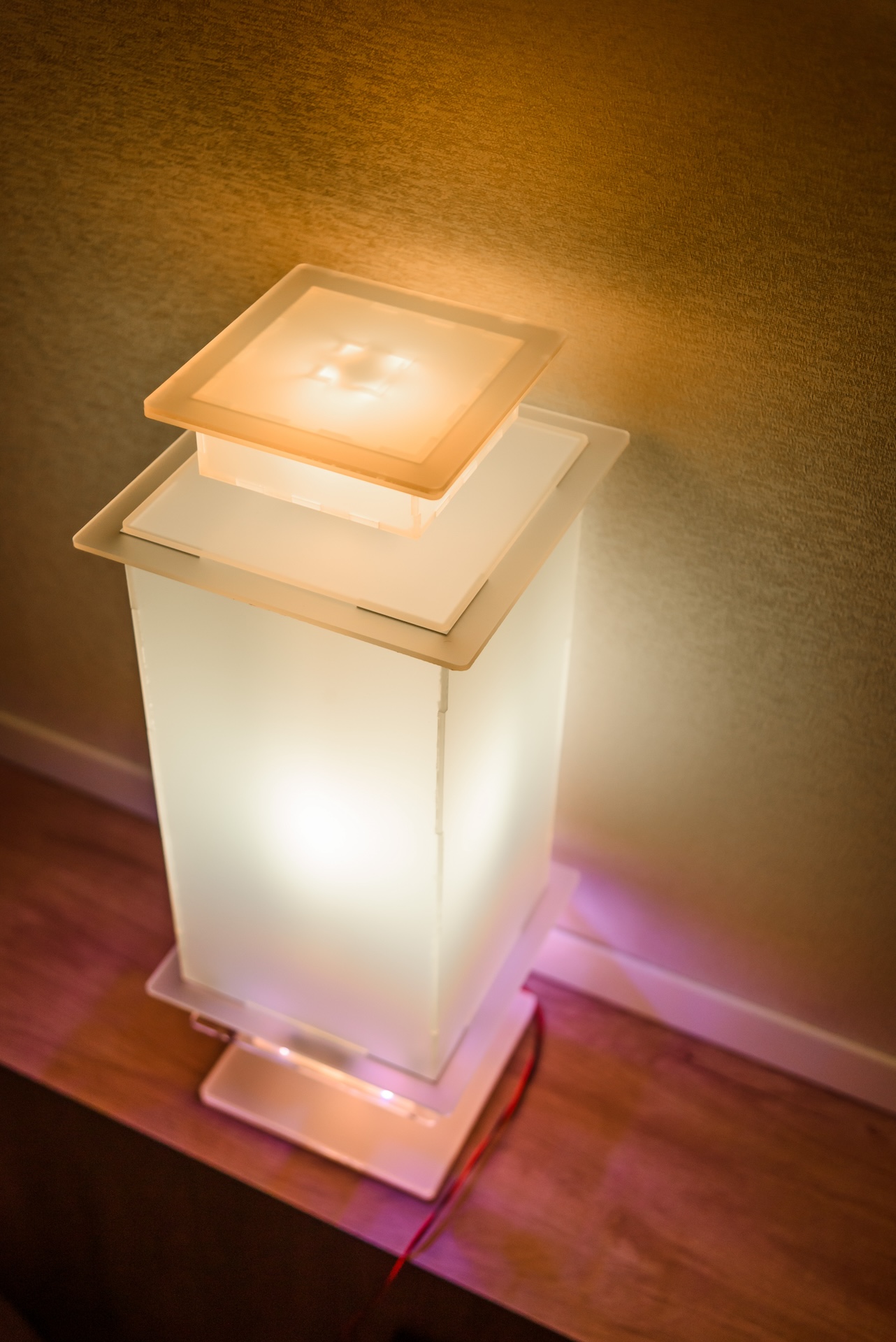
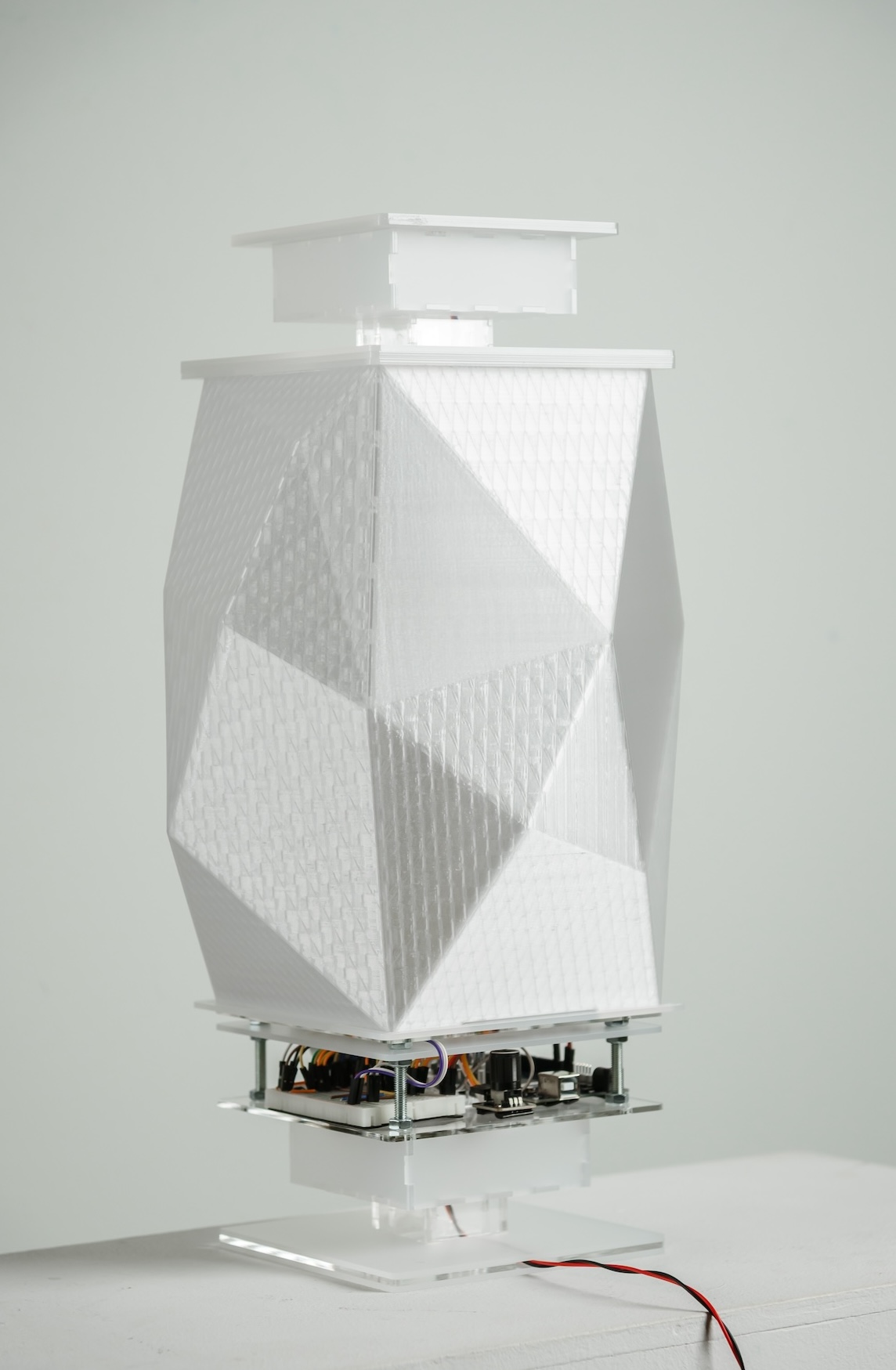
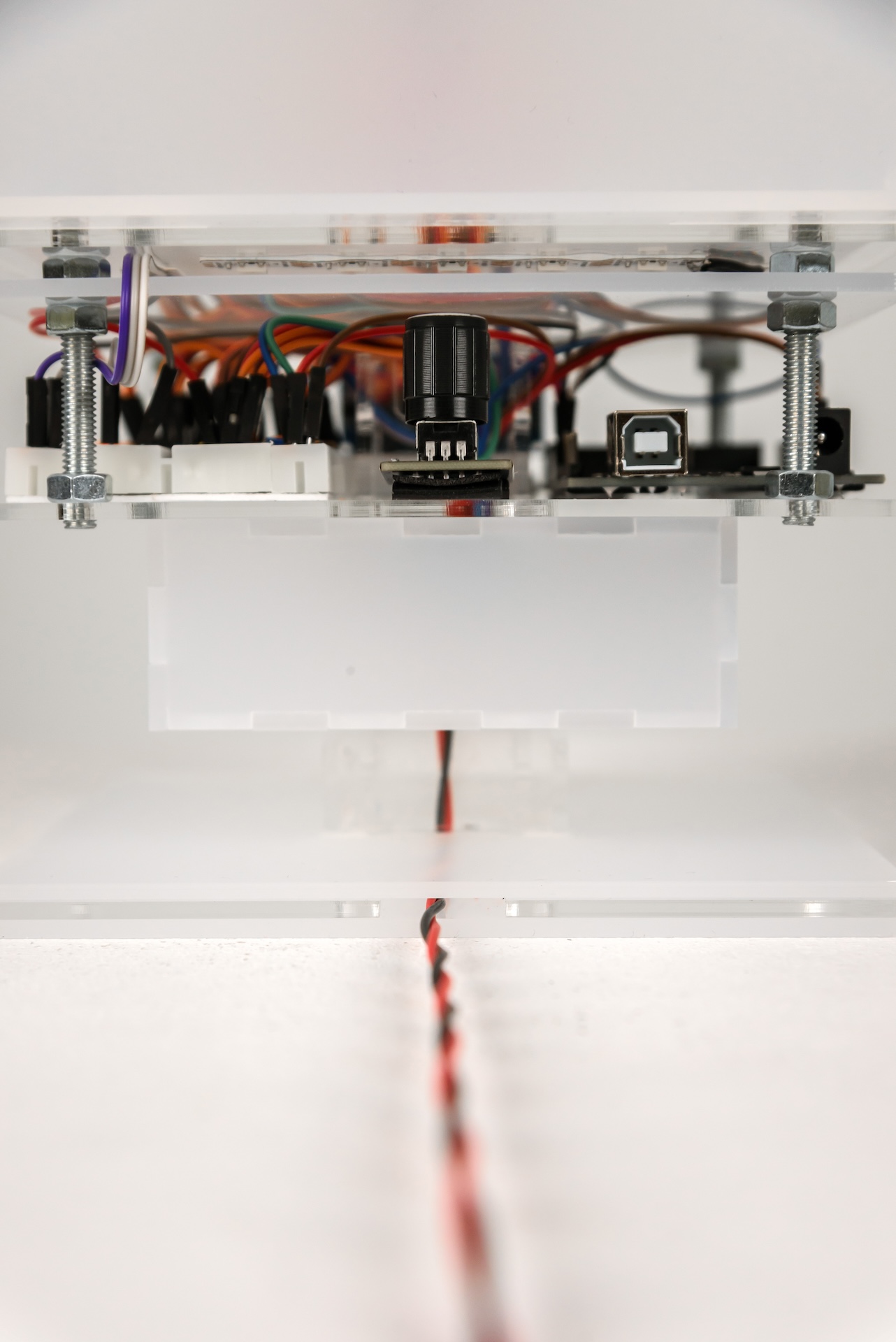
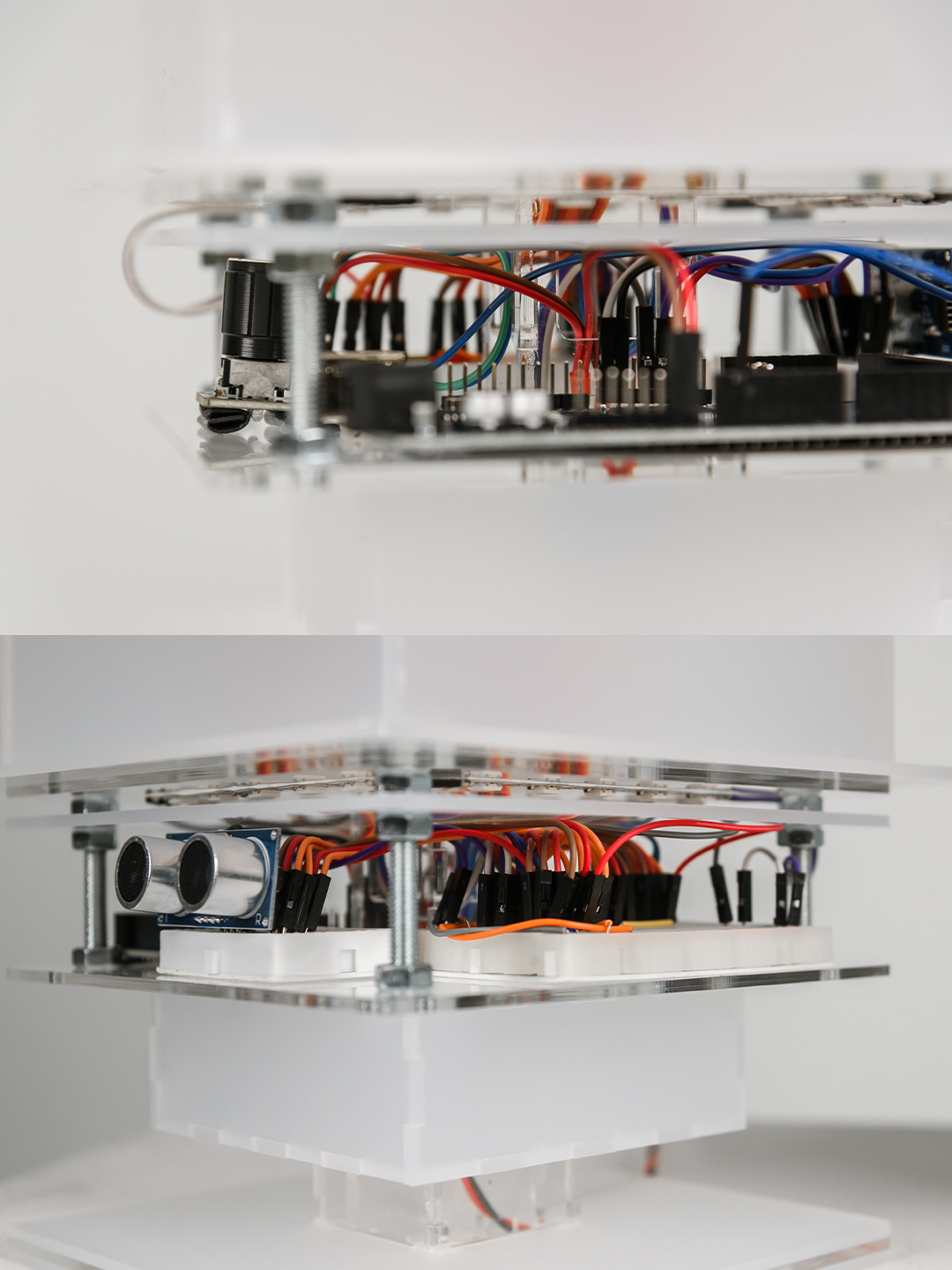
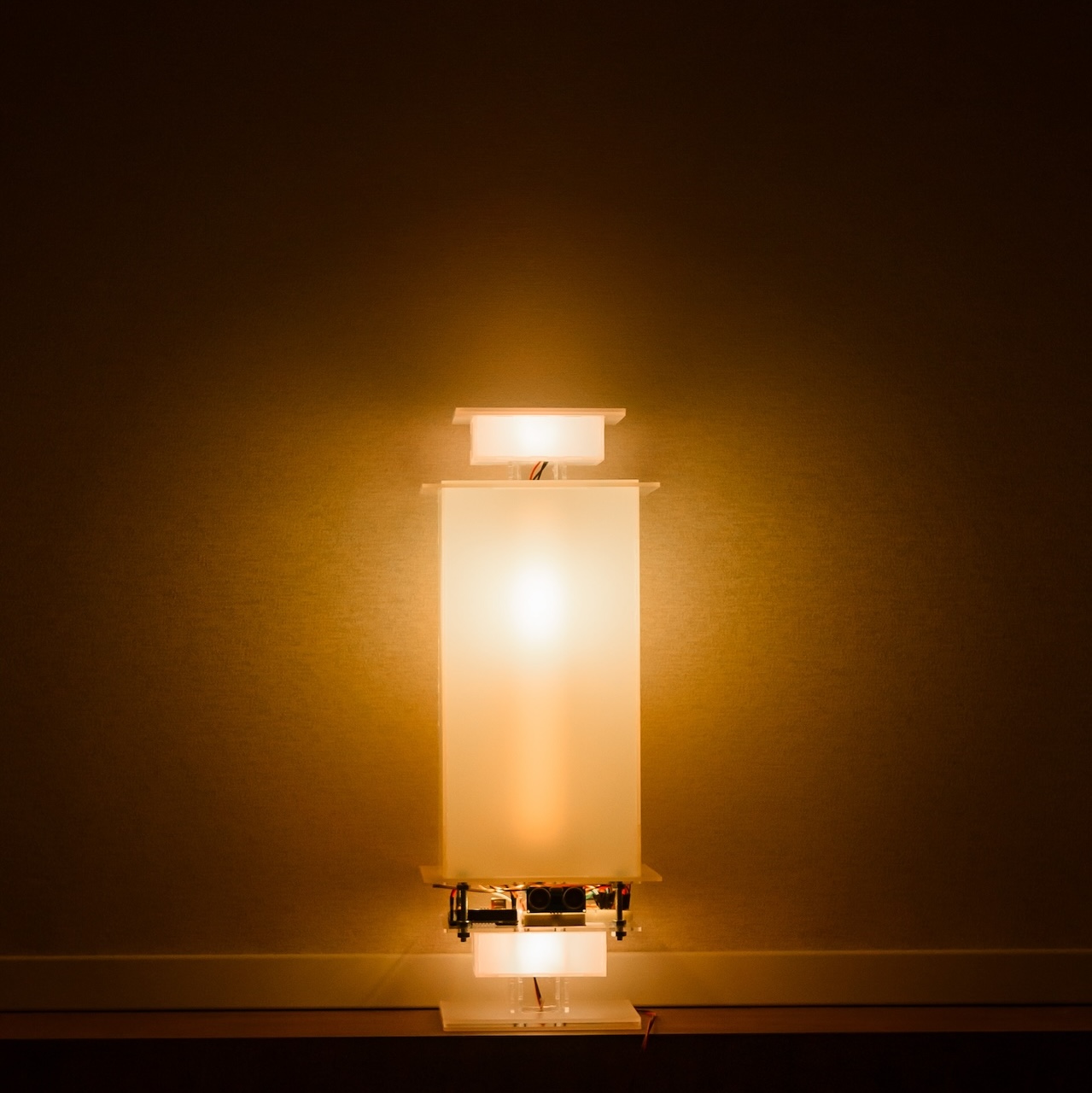
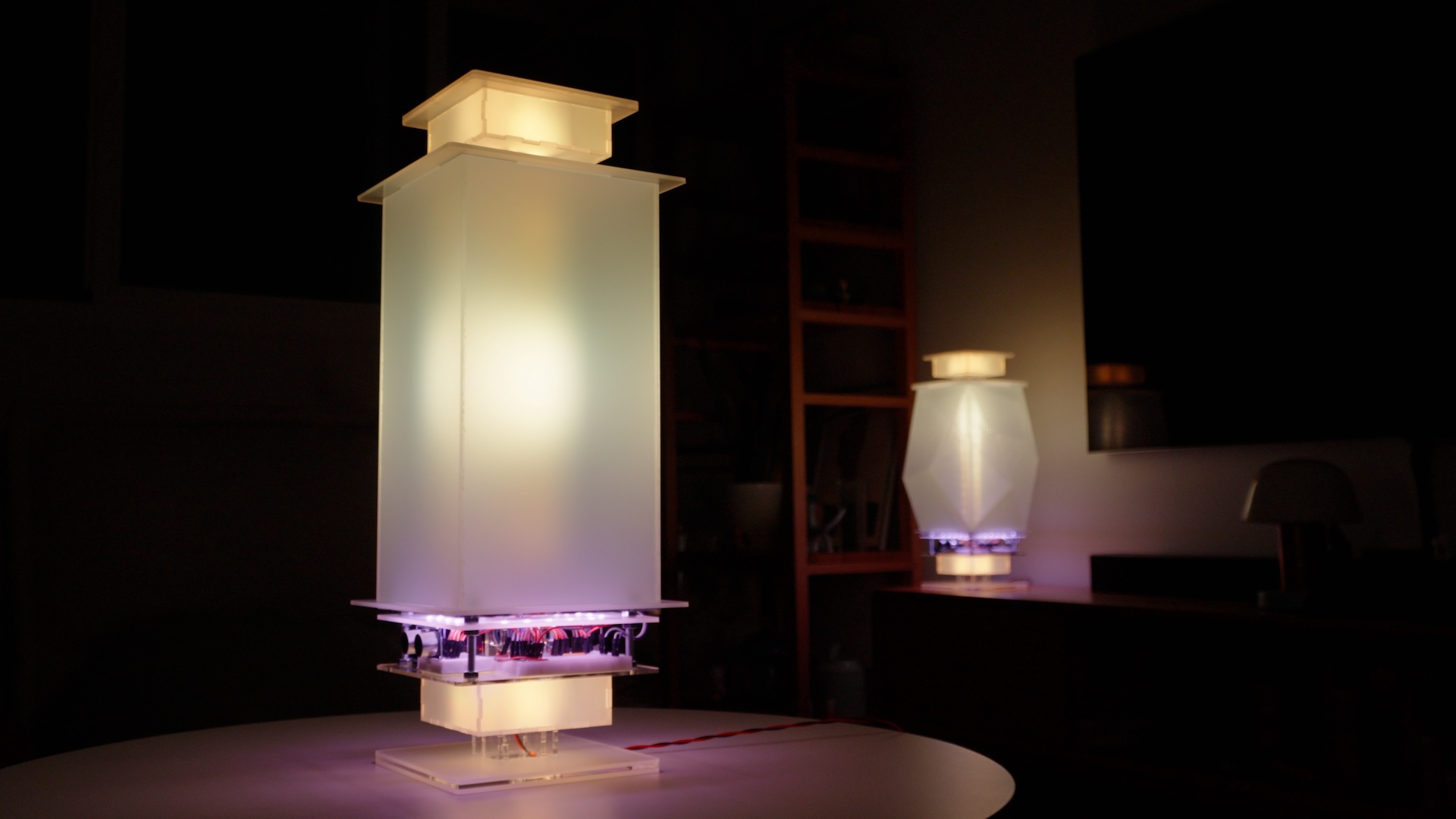
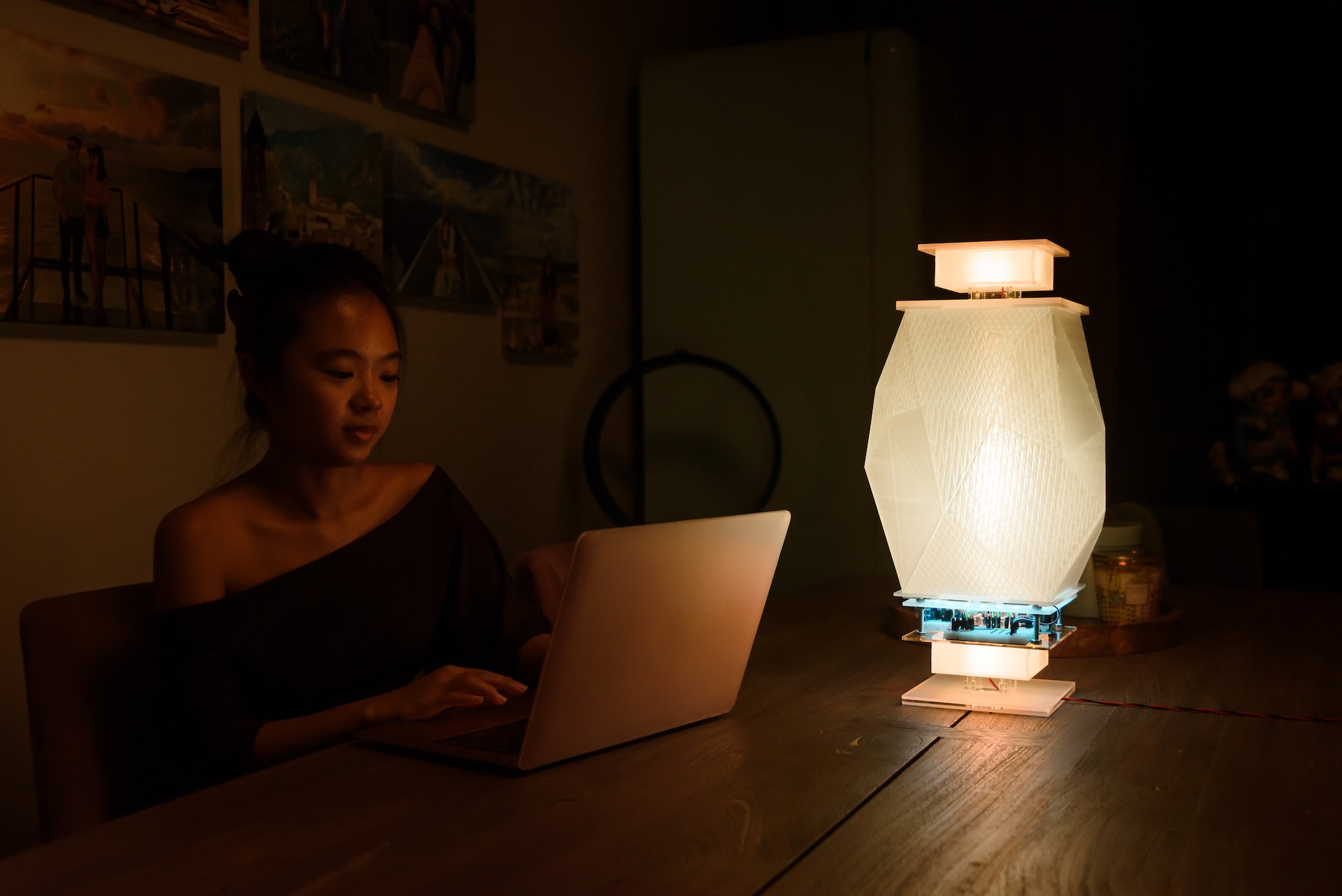
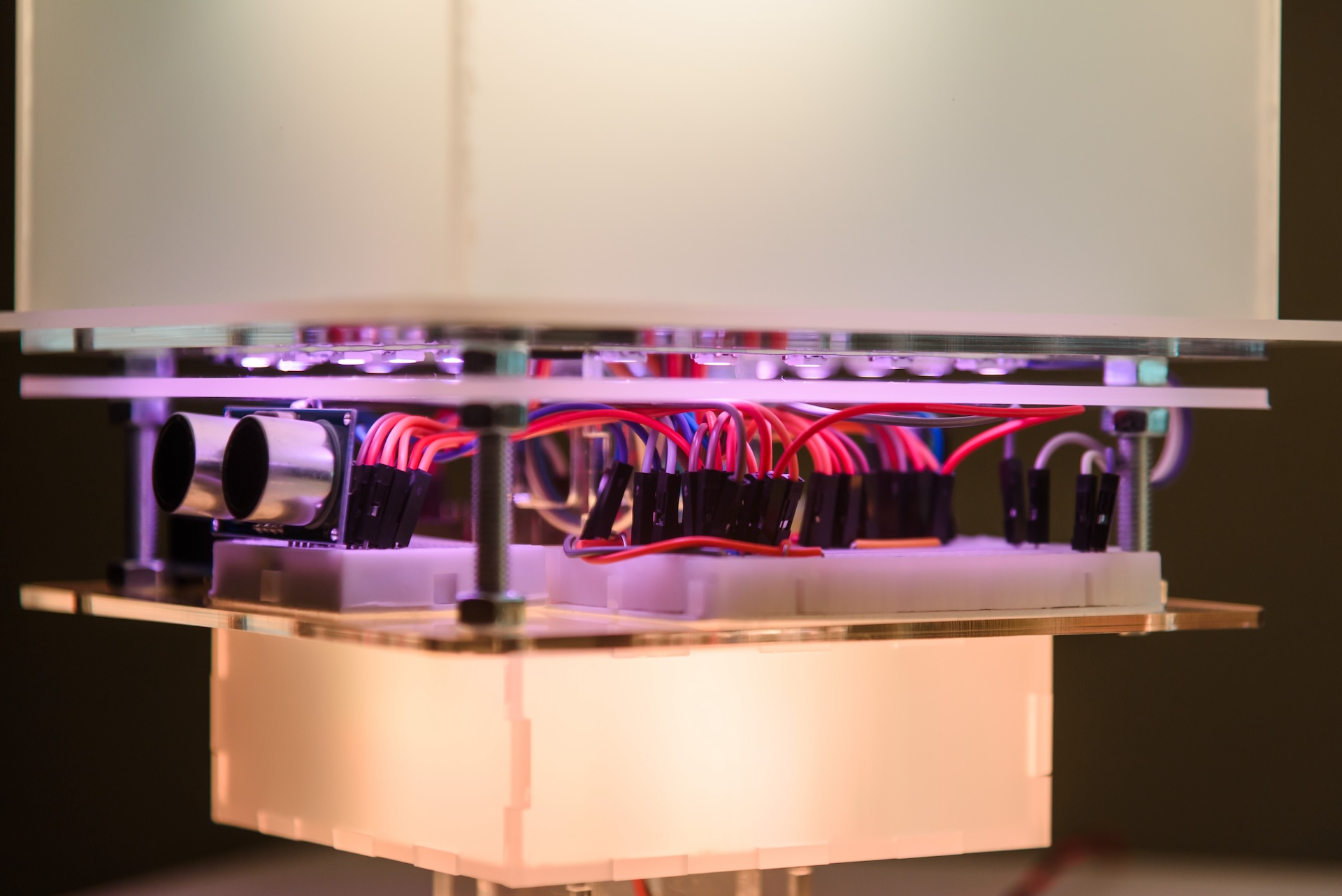
Within its rectangular enclosure, a soft orb of warm light drifts and breathes in a small world of its own. The lamp senses your presence and responds, but never urgently. It stirs when you are near, settles when you are still, and wanders into its own quiet reverie when left to be. Its light shifts in warmth and intensity, its movement changes in pace and direction, and over time it reveals a character that feels less like programming and more like a personality. A presence-sensing lamp explores how subtle technology can shape our awareness of space and time. This project values restraint, material honesty, and the art of noticing.
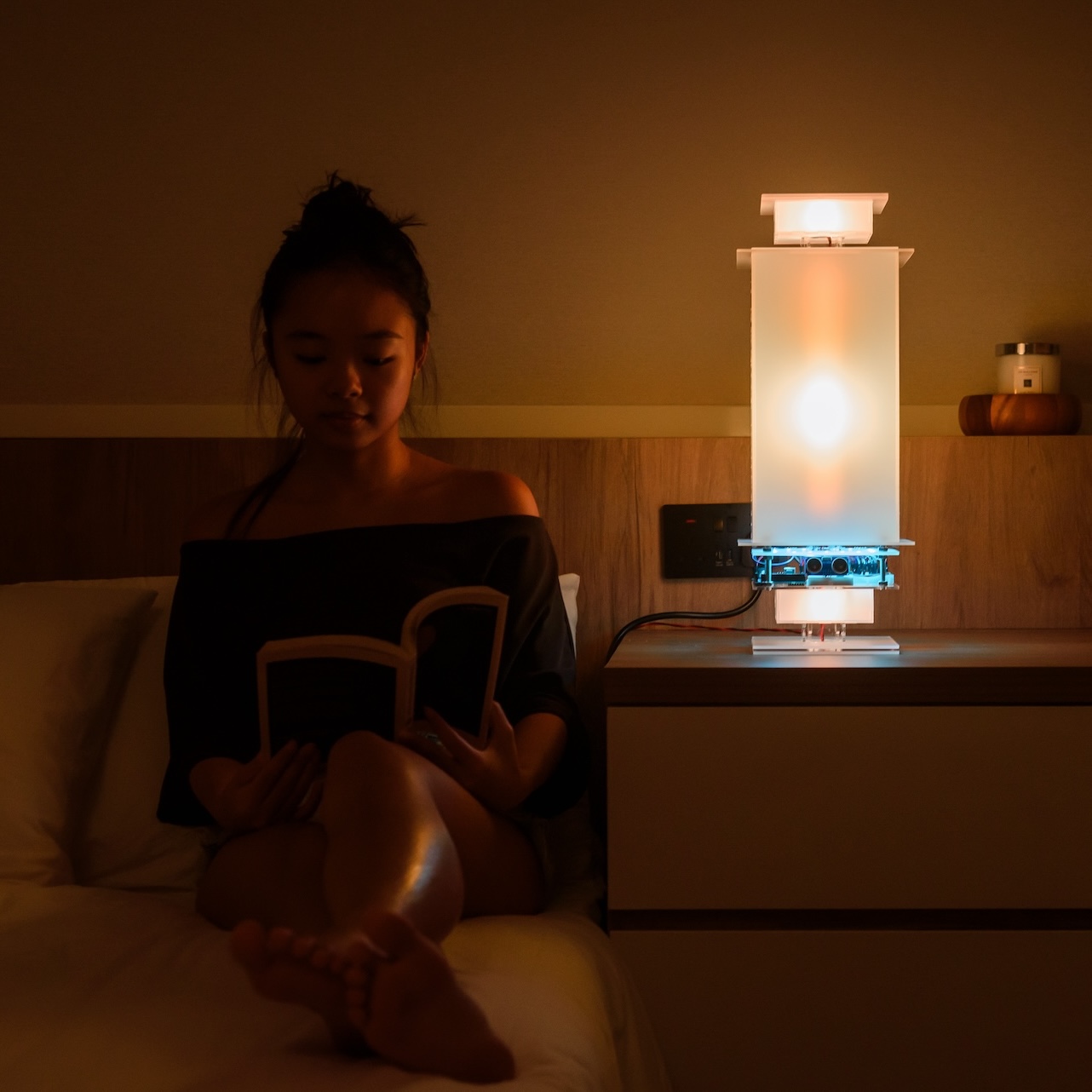
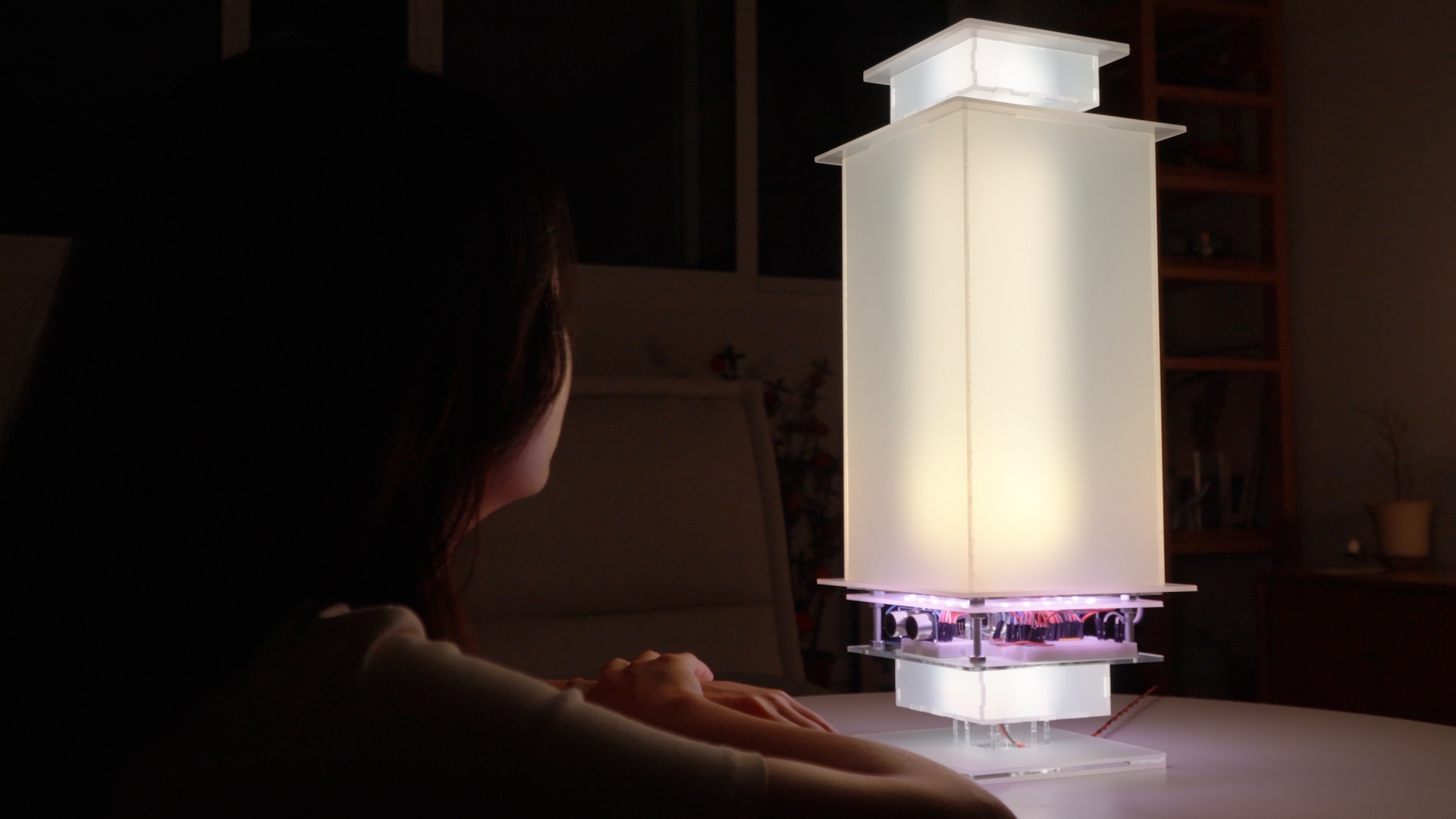
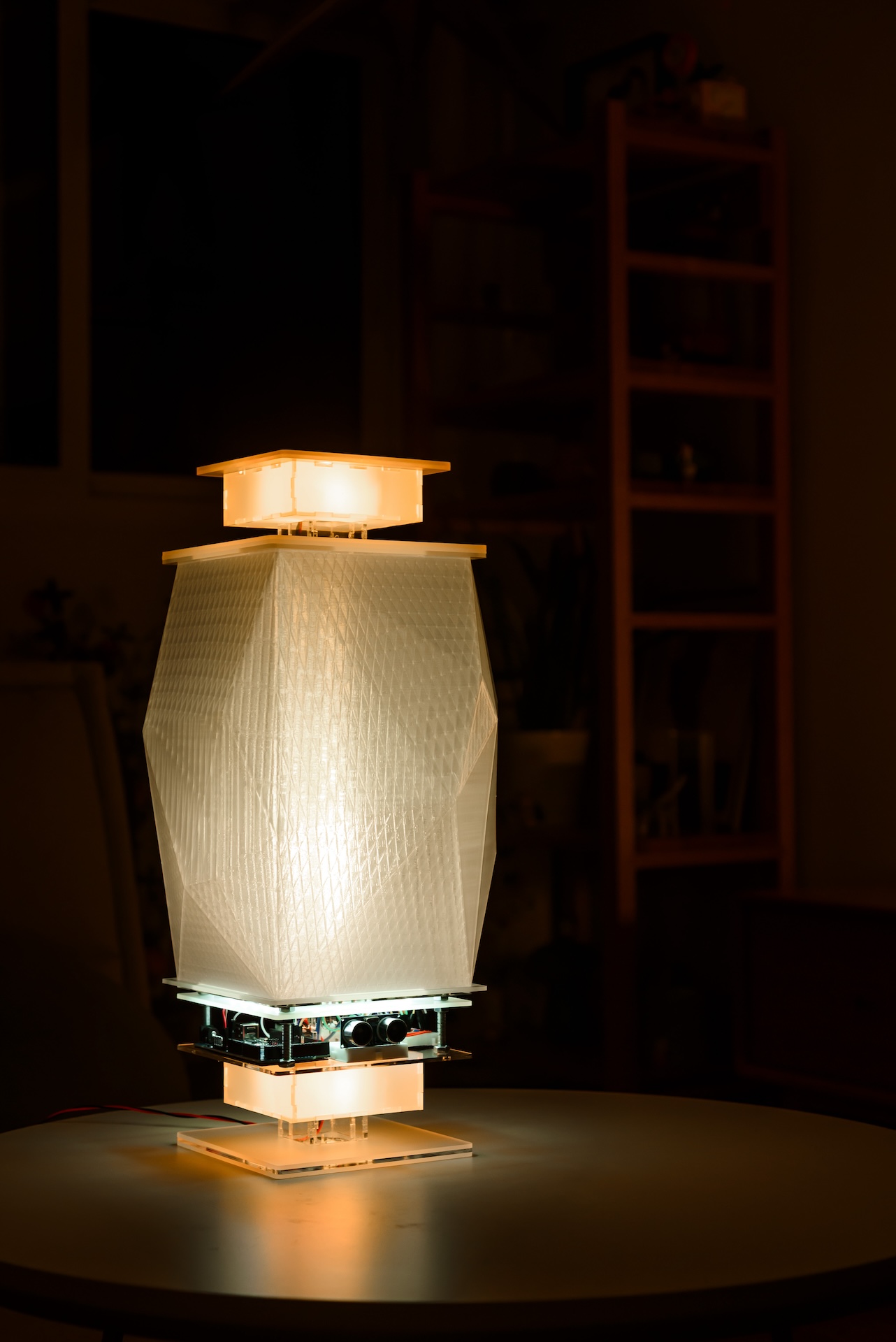
Most technology is designed to be seamless, invisible, efficient, and aspires to disappear into use. The Slow Lamp invites the opposite: slowness. Not urgently, but gently. It proposes a different relationship between people and technology: one built on presence rather than productivity, on attention rather than automation.
In a culture where the default mode of interaction with technology is distraction, the Slow Lamp offers an alternative. It is technology that gives you time rather than consuming it. Its most interesting qualities, the unpredictable drift of the orb, the warmth of the ambient glow, the barely perceptible shift in colour temperature, are only available to someone who has paused long enough to notice them. The lamp does not reward impatience. It rewards attention.
This is not a rejection of technology. Technology is here to stay, and its presence in our lives will only deepen. With the rise of artificial intelligence, technology is beginning to take on qualities that feel increasingly life-like, even sentient. The question is no longer whether technology will be present, but what kind of presence it will have. The Slow Lamp offers an unconventional answer: technology, when designed with care and intent, can redirect our attention toward the beauty already present in our surroundings. The medium, shaped by its purpose, becomes the message.
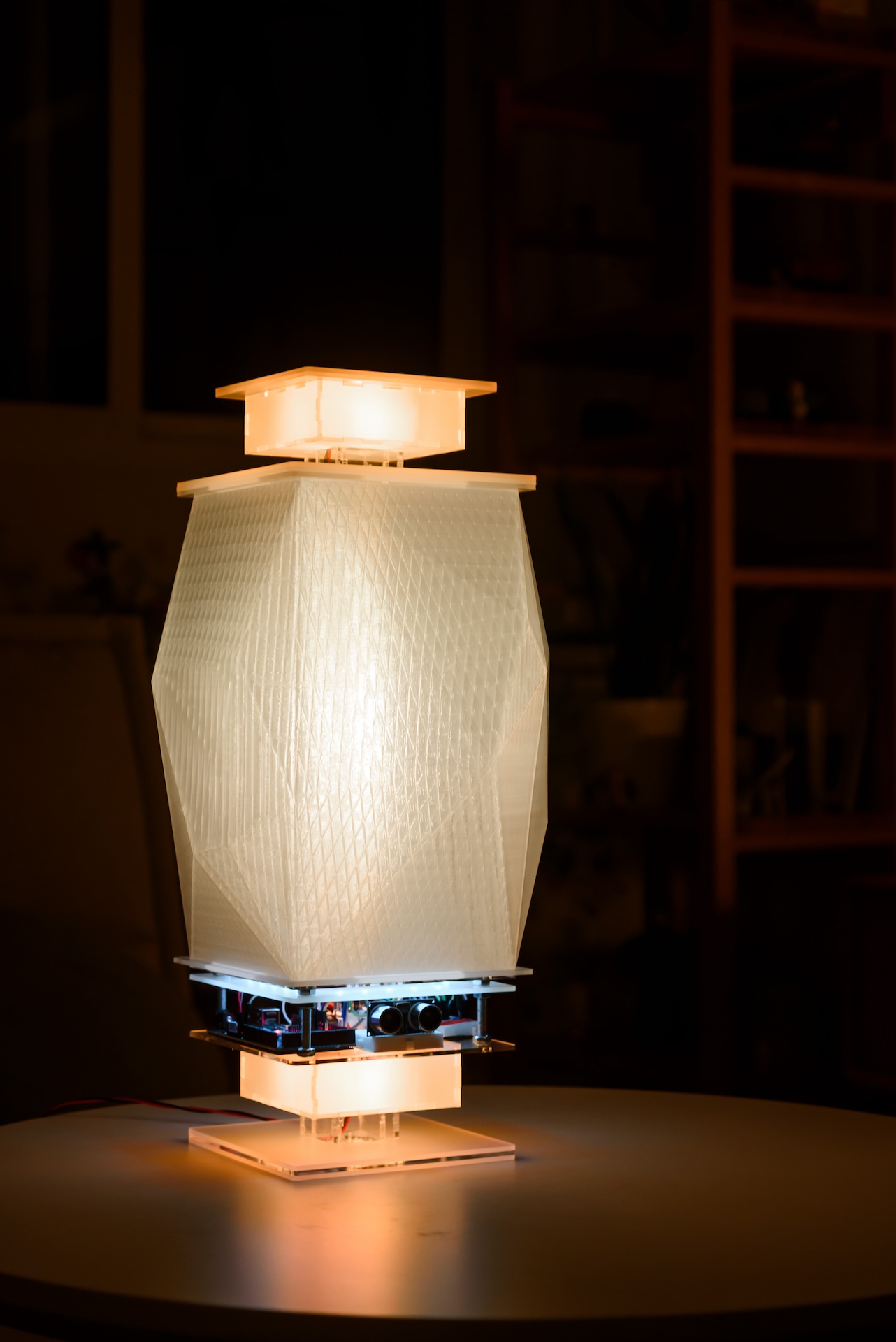
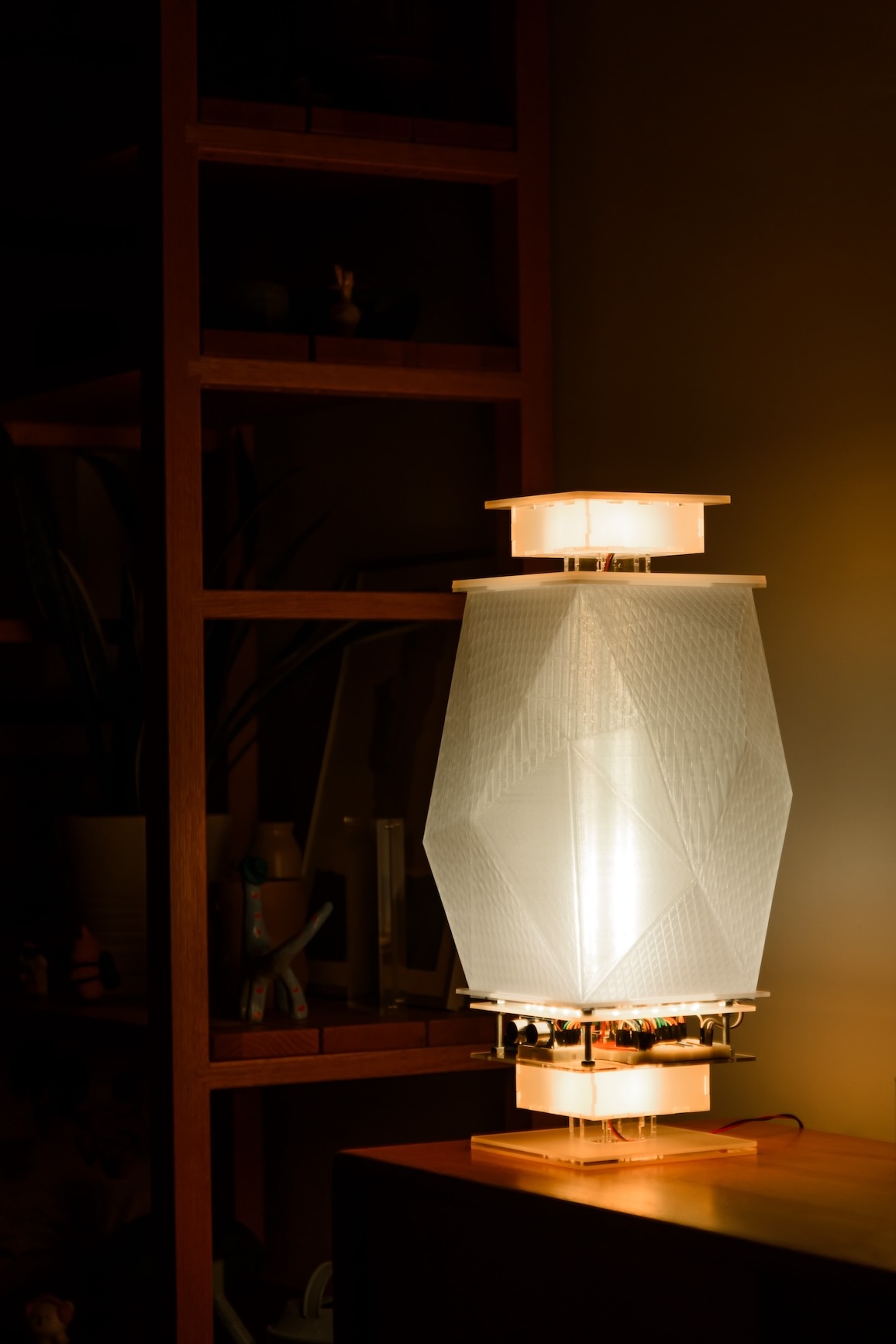
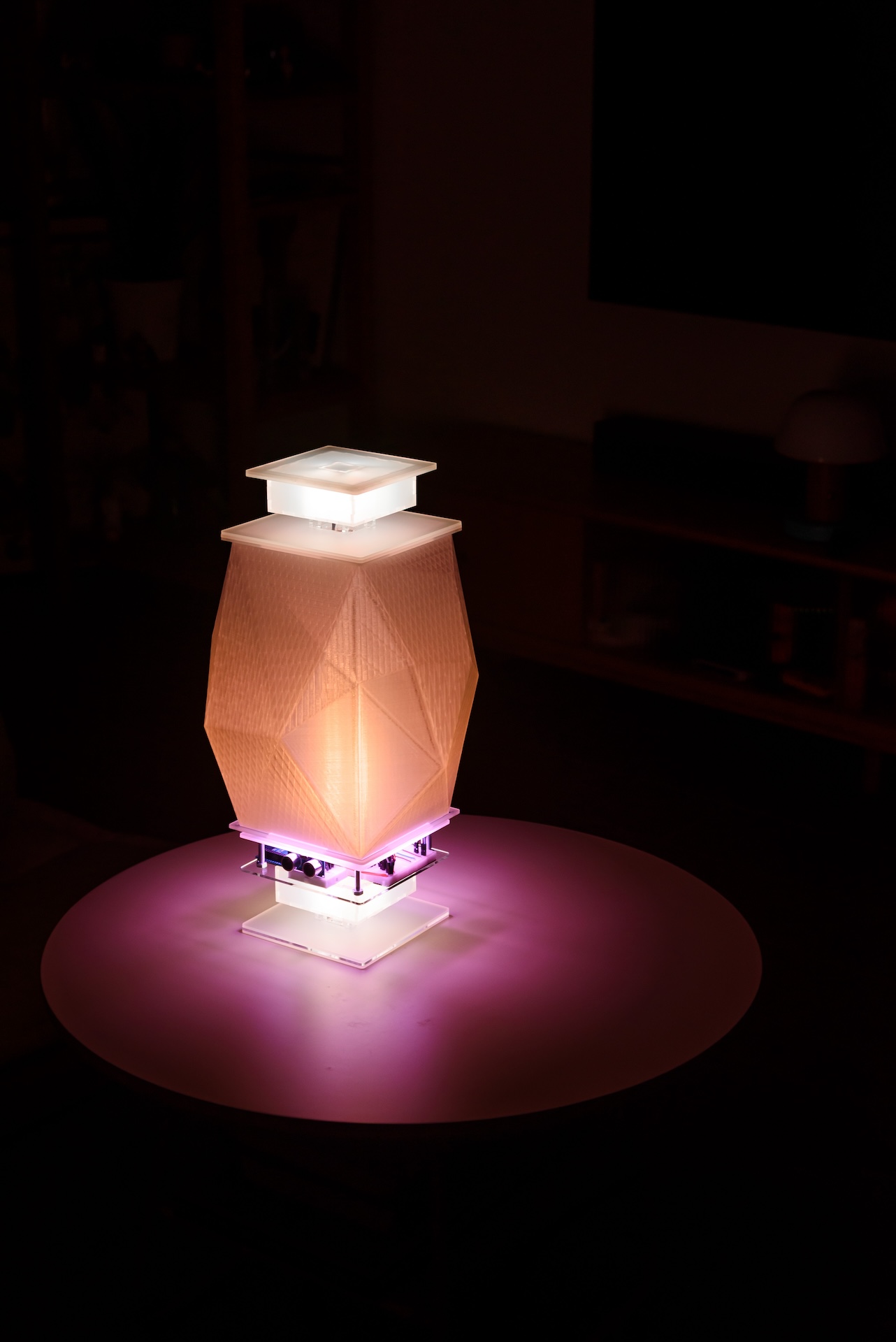
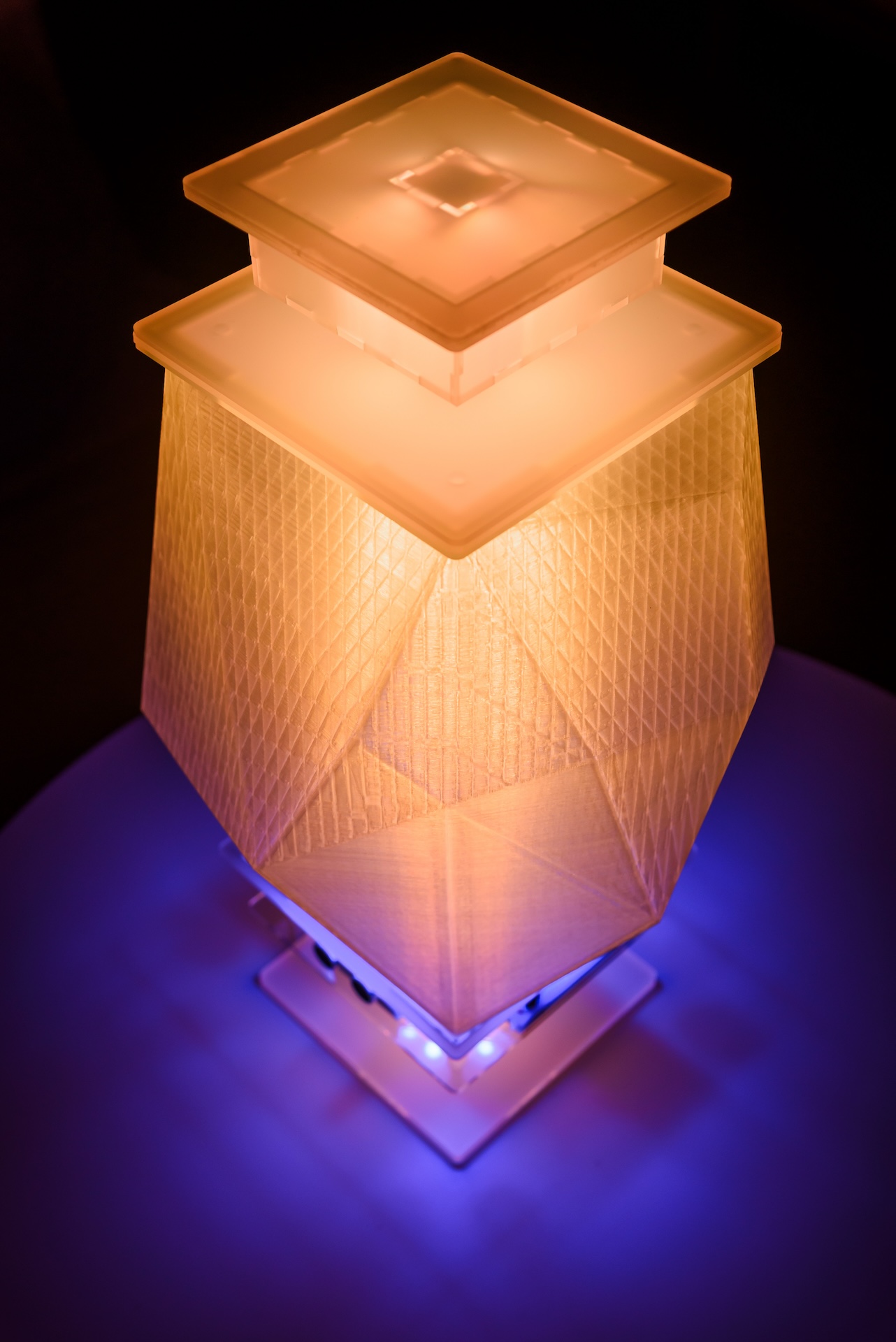
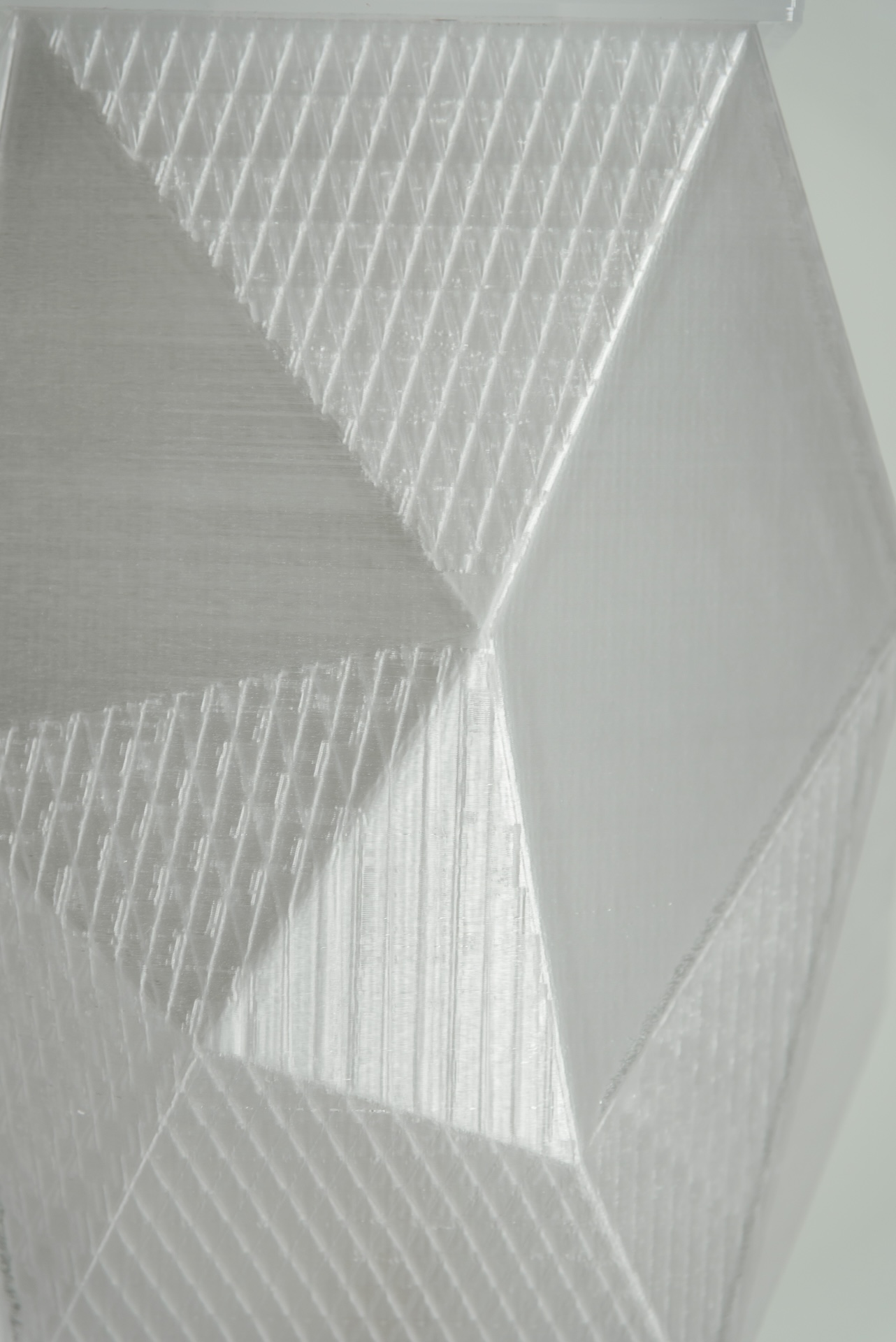
The Slow Lamp exists in a second iteration: the Living Edition. Where the original rectangular enclosure is designed for a quiet, personal encounter, the Living Edition takes a sculpted form composed of many panels. The Living Edition is designed to live in shared spaces where people come together. It functions as a conversation piece in
both senses: an object that draws the eye and invites comment, and one that opens a broader dialogue about the technology we live with, the attention we give it, and how it might gently nudge us back to being present.
The two forms reflect a belief at the heart of the project: that the same ideas can live in different shapes for different moments. One for solitude. One for company. Both for presence.
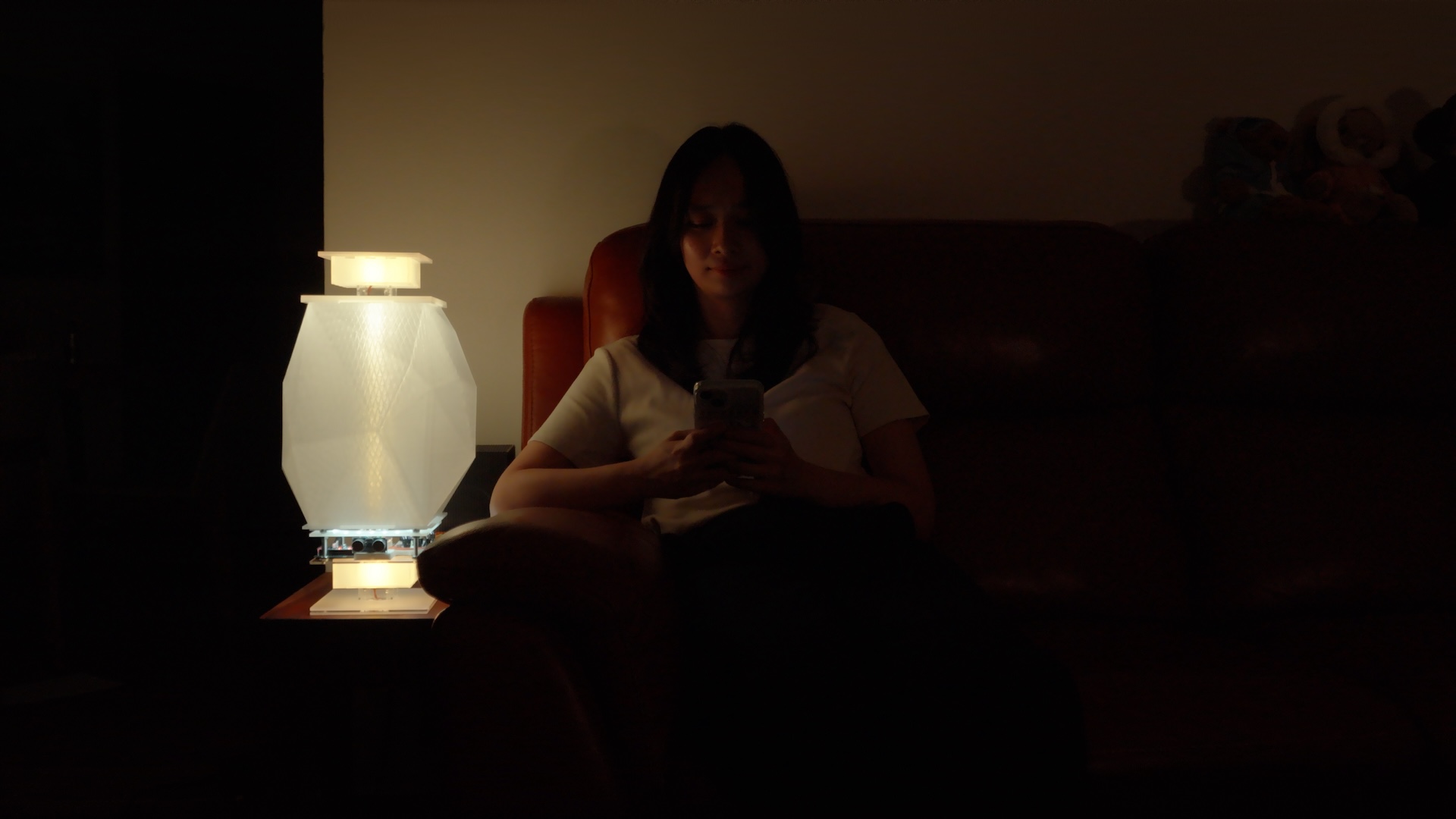
In 2001, interaction designers Lars Hallnäs and Johan Redström proposed a provocation: that as computers become increasingly ubiquitous, design should not only pursue efficiency but actively promote moments of reflection and mental rest. They called this Slow Technology: technology designed not to perform tasks faster, but to stretch time, to invite dwelling, and to open
space for contemplation.
Most technology we encounter daily operates on the opposite principle. It is designed to minimise friction, to compress time, to deliver outcomes as quickly as possible. Notifications arrive in milliseconds. Feeds refresh endlessly. Every interaction is optimised to be shorter, smoother and faster. The result is an environment that leaves almost no room for pause.
Slow technology resists this. It is not concerned with what technology can do for you, but with what technology can help you notice. Where conventional design asks how an interface can become invisible through seamless efficiency, slow technology asks how an object can become present through the quality of time it offers. The goal is not to be used and forgotten, but to be lived with, slowly, over time, with growing familiarity and deepening attention.